
Happy World Radiography Day 2020! Also, to all Malaysian Radiographers, a toast to our profession’s 50th Anniversary!
– A brief history on how we came to be, where we are and where we hope to be in the future.
“Radiation Therapists have and always will be integral members of every team that delivers high quality and safe radiotherapy. Since the early years, therapy radiographers have risen to the occasion when meeting the needs to extending and expanding roles.
– a personal message from Dr Gerard Lim to all Radiation Therapists (7th Nov 2020)
Wishing you all a Happy 50th Anniversary (of the profession) and all the best for the future”
Whenever I’ve done a quick Google search on Radiation Therapy (RT) in Malaysia, I would inevitably stumble upon Dr Gerard’s publication, “Clinical oncology in Malaysia: 1914 to present”. In that paper, he wrote about how RT came to be in Malaysia. And if it weren’t for that paper, I suppose we wouldn’t have had a published historical record of how this sub-specialty in cancer care arrived at our shores.

Dr Gerard Lim Chin Chye is a Clinical Oncologist and he practiced in the public sector throughout his career before retiring in June 2020. His 2006 publication on the origin of Radiation Oncology in our country was documented extremely well, and I am merely echoing his words. (Apologies as I may not do his writing any justice!)
Personally, I wished that there were more accounts of this rich and important history, in order to help us understand better how our pioneers in Radiation Oncology paved this path for us from the beginning. Perhaps that was my main driver for this blog post, and to recollect fragments in history and piece it out together again on how our profession, the Radiation Therapist came to be in Malaysia.
1914
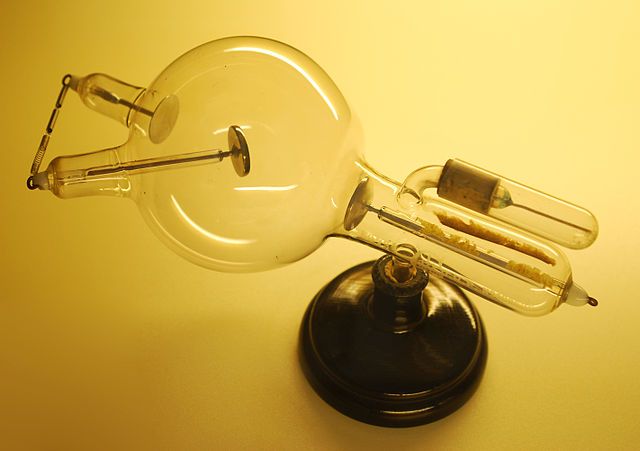
The year on the earliest account of x-ray therapy in Malaysia. It was a Crookes X-ray tube which was acquired and placed in Singapore, and it probably looked something like this…
It wasn’t until the 1950s that Radiation Therapy began on the humble grounds of the now vibrant city we call Kuala Lumpur. The first few external beam radiotherapy machines were the Philips Dermopan 50 kV superficial x-ray machine, 200 kV Muller x-ray machine and 250 kV rotating Muller x-ray machine. If you were wondering how the first RT department looked like then in the 1950s, it was but a wooden façade, located in General Hospital Kuala Lumpur (GHKL).
It was a ‘cowshed of a building’! It was a wooden shack – is this the Radiation Therapy Department?!”
– Mr T. Yogaratnam laughing over his first recollection of memories stepping into the RT Department in the 1960s. (Source: Phone interview, Nov 2020)
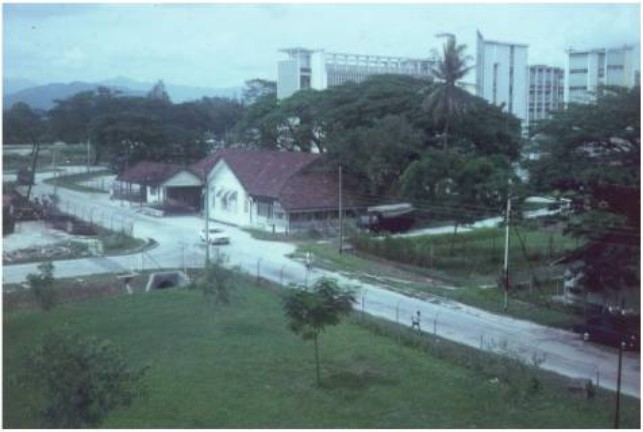
1950s
The establishment of the Radiotherapy Department was initially driven by an Irish Radiotherapist, Dr Lynch before his successor, Dato’ Dr. S.K. Dharmalingam returned from the UK in the 1960s. Dato’ Dharmalingam was appointed as the first Malaysian Consultant Radiotherapist. At that time, there were approximately 4 Radiation Therapists (RTTs) working alongside him.
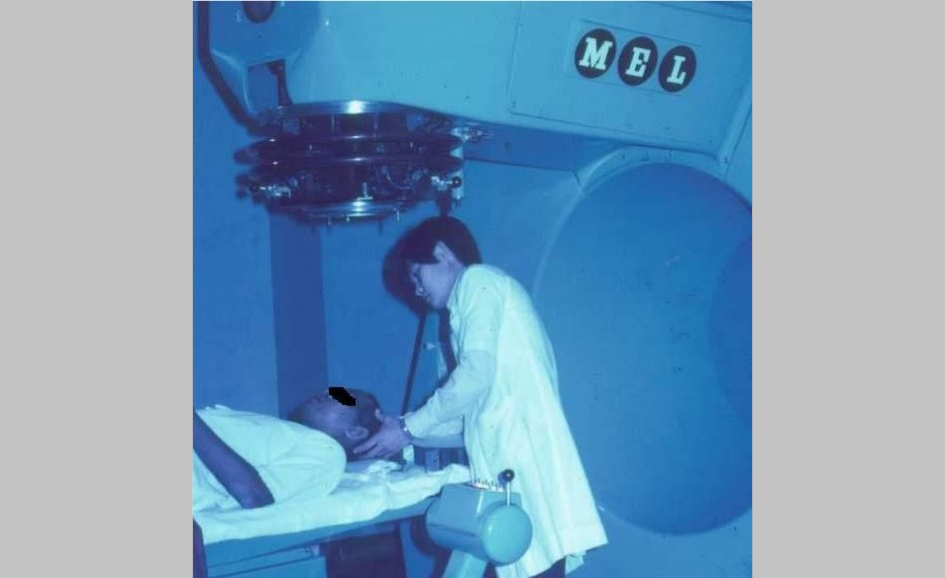
It was not until the year 1965, when our then Minister of Health and Finance allocated an RM3,000,000 (~USD1 Million – based on currency rates during that period) for a fund which led to the establishment of the Institute of Radiotherapy, Oncology and Nuclear Medicine in GHKL that we know today. After the building’s completion in 1968, more machines were housed in that department which included a Siemens Betatron (Siemens AG, Erlangen, Germany) that provided electron treatments ranging from 5 MeV to 43 MeV, and two single energy 6 MV linear accelerators (MEL-75).
Betatron, Siemens 42keV LINAC in GHKL
1987-1988
Back in those days, treatment planning by the medical physicists were largely done via manual summation until a computerised treatment planning system, Mevaplan (Siemens AG, Erlangen, Germany), was acquired in 1987.
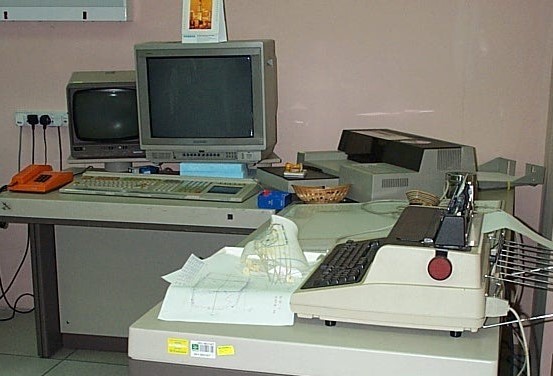
1997 – Phase II
The Institute then underwent a series of upgrades and it was not until the year 1997 where the Philips SL LINAC was installed and later, the Siemens Primus in 2001. Only then were more advanced treatment delivery feasible and services such as total body irradiation also became available for patients requiring bone marrow transplant.


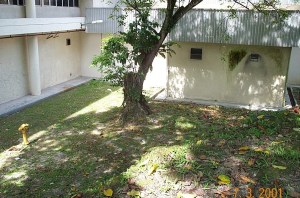


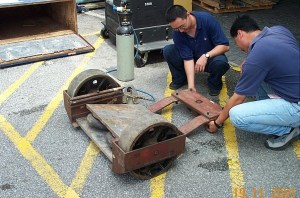
Slideshow above: The grassy patch was where a bunker was built to house the Siemens Primus LINAC | Group of engineers performing the rigging and installation of the machine2 (2001)
Radiotherapy Education in Malaysia
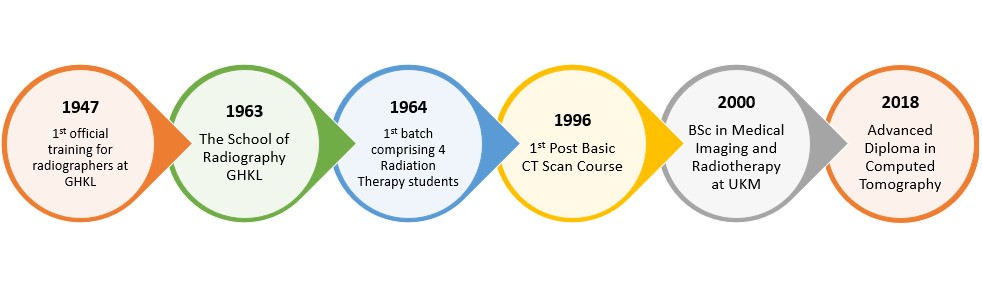
The first School of Radiography in GHKL was conducted in a half wooden block and the 1st batch of trainees were 14 diagnostic students. A year after, trainings for RTTs began, but due to the inadequate facilities in the Radiotherapy Department (referencing the RT Department timeline above, it was not until 1965 that monetary support was given by the Malaysian government) these students were sent to Hong Kong to complete their education.
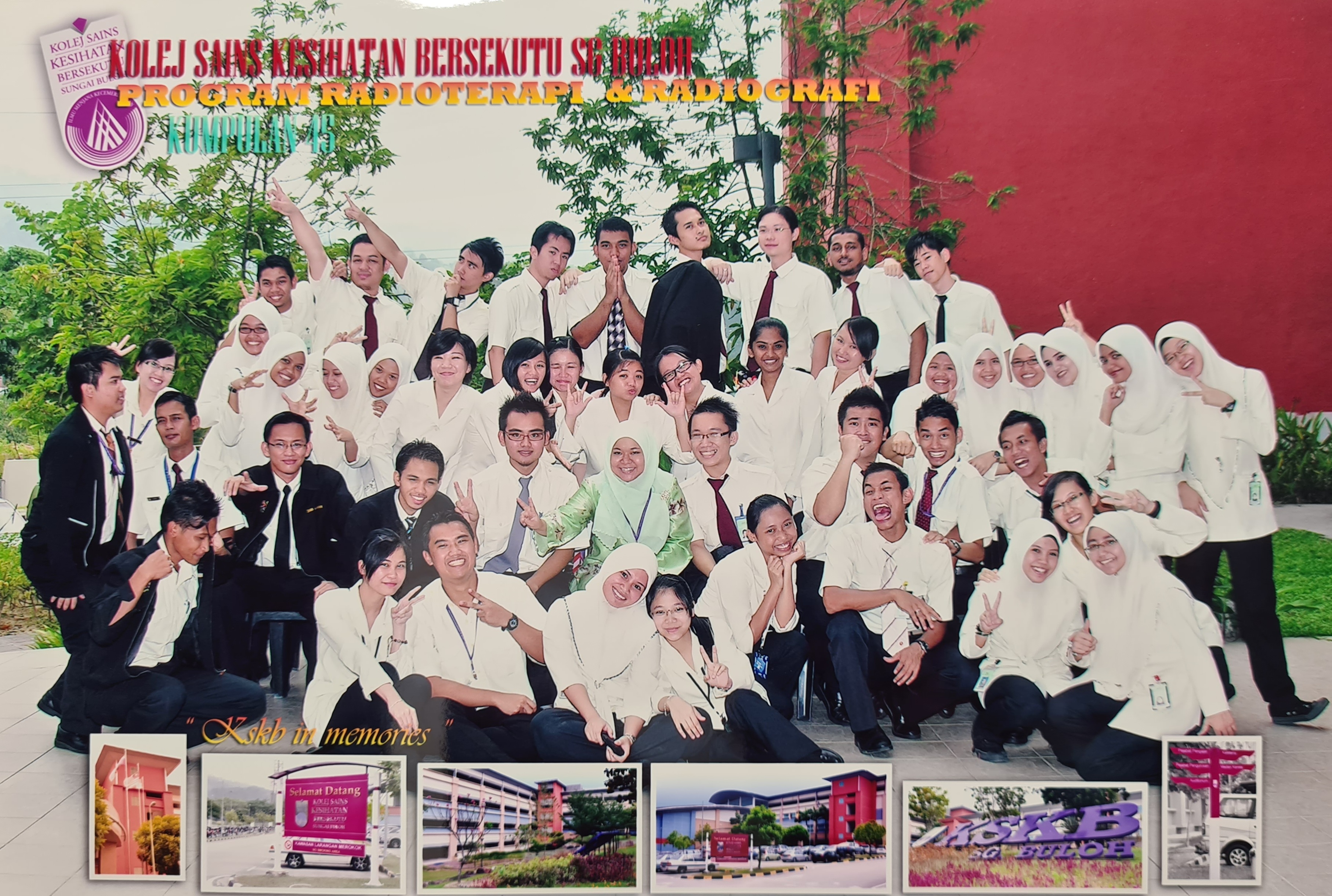
The School then underwent a series of nomadic adventures and finally settled in the northern region of Selangor, in a town called Sungai Buloh. Both Medical Imaging and Radiotherapy students finally found their place at the Ministry of Health Training College alongside other allied health professions in 2004.

Where are we now?
As of 2019, we are looking at about >400 Radiation Therapists practicing across 37 Radiotherapy Centres in Malaysia. Yes, we’ve definitely come a long way. In 2020 (although we do not have flying cars), RT treatment machines and techniques have surpassed conventional orthovoltage and manual treatment planning; with more advanced equipment allowing improved tumour targeting, sparing of critical structures and shorter treatment times. With the aid of Image-Guided Radiation Therapy (IGRT), RTTs are now able to execute more complex treatment techniques such as Volumetric Arc Therapy (VMAT), Stereotactic Body Radiotherapy (SBRT) and Stereotactic Radiosurgery (SRS). Positional aides and motion management devices are also currently available to assist in the treatments of moving targets. On a whole, although the distribution of these technologies may not be consistent across the different states in Malaysia, rest assured that cancer patients still have access to the highest quality of cancer care.
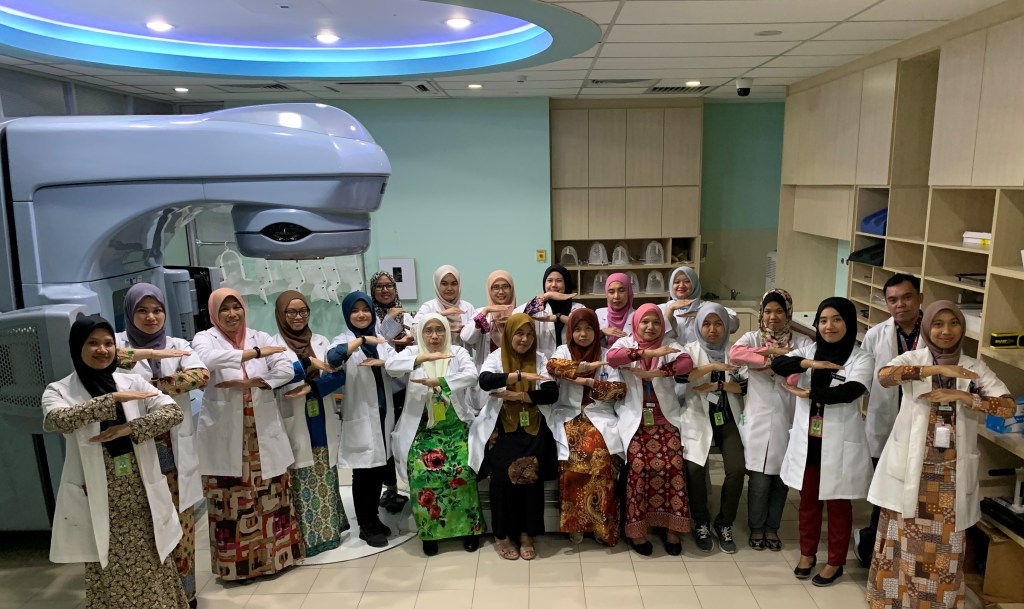
How can we prepare for the future?
As clinical trends in RT shift towards the interest in artificial intelligence (AI) and online adaptive radiotherapy (ART), RTTs should be both mentally and ‘skillfully’ prepared to take on these challenges over the coming decades. We cannot and should not be complacent. We are the gatekeepers in treatment delivery and therefore, we must take ownership and responsibility of this role that we stand in. We must stand defiant against the perception that we are merely ‘button-pushing automatons’ in the RT process. The lives of our patients weigh heavily on our shoulders, as does or conscience.
So, I heed to all of you RTTs out there, please keep learning, keep that inquisitive fire burning, and do not let that fear of the unknown stop you from achieving your full potential.
“Never belittle yourself – never be a robot. The depth of knowledge of a (clinical) case. Go more than that, the anatomy, physiology, side effects…
– Mr T Yogaratnam and his advice to the current and future RTTs
…and don’t feel shy talking to engineers and oncologists in search of knowledge!
Find a way to get into this circle to move along with the profession.”
A warm tribute…
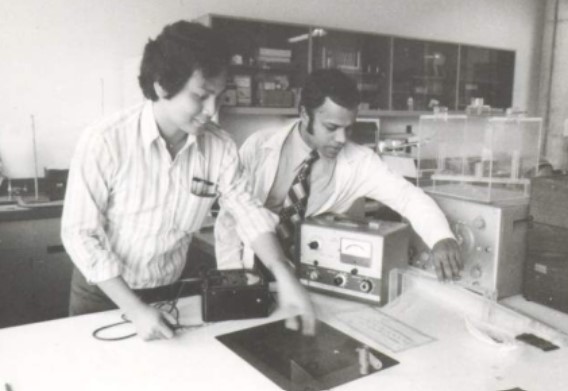
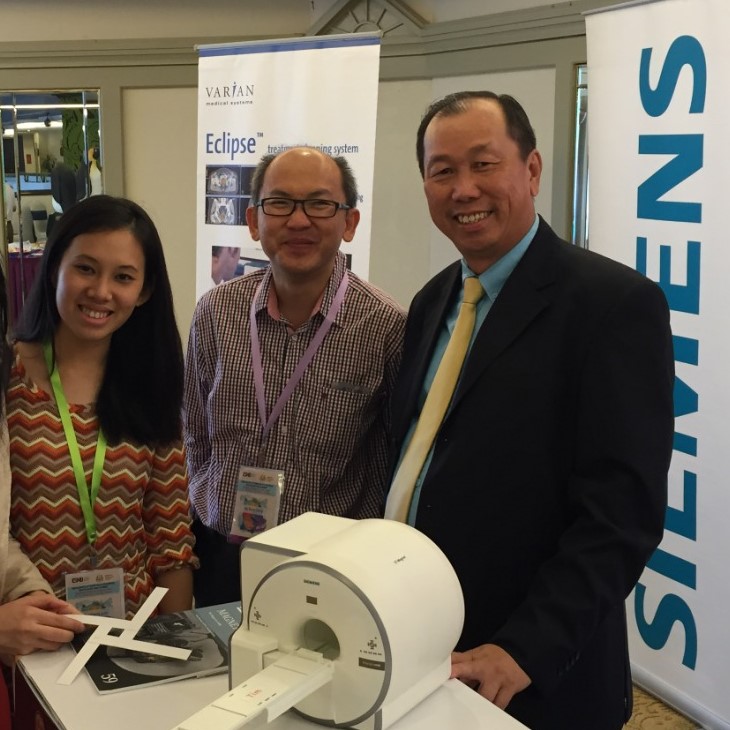
Thank you, for contributing the pictures and information from your personal collection towards this blog post. You have always been generous with your knowledge and your humble and approachable demeanor has gained the highest respect from all of us.


Source/References:
1. Lim, G. C. C. “Clinical oncology in Malaysia: 1914 to present.” Biomed Imaging Interv J 2.1 (2006)
2. Kwon YS – personal collection of photos
3. Santhekumari Sithamparam, Radiotherapy Education (Presentation at MSR Scientific Session 2020)
4. T. Yogaratnam – phone interview, Nov 2020


That’s a very interesting n fantastic summary of the RTTs in our own home ground.
I hope the write up will inspires the juniors n school leavers to have a more serious look into taking up Radiotherapy as a carrier.
Keep it up. 💪
LikeLike
Awesome write-up! Thanks for the hard work!
LikeLike
Congratulations. A comprehensive account of the y’str years in the evolution of Radiotherapy, Training, and the current status of Radiation Therapists in a very challenging times of technological innovation for the personalised treatment of Cancer..
LikeLike
Congratulations Stephanie.
Incidents and recovery of Radium sources in the late 70s by the team of Radiation Therapists and Medical Physicists were a reflection of the Radiation Therapists’ highly esteemed skills, knowledge and delivery of safe standards of practise with ionising Radiation..
LikeLike